| What do custom perfume boxes cost? | A custom perfume box is quoted by structure, board, insert and finish against a quantity. These are the published price bands at three quantities, and the specifications that move a quotation from the bottom of a band to the top. | COST GUIDE |
| How to choose a rigid box manufacturer | Choosing a rigid box manufacturer is a structural question before it is a commercial one. Seven capabilities decide whether a factory can make your box, and each can be checked from a drawing, a sample and one question. | BUYING GUIDE |
| How to compare cylinder box manufacturers in China | There is no verifiable ranking of cylinder box manufacturers, so this page does not publish one. What a buyer can compare is the evidence a quotation has to state: the diameter tooling, the construction, the wall, the lid fit and the inspection record. | SOURCING |
| Round tube or rigid box? | A round product in a square box, and a square product in a round tube, both leave about a fifth of the enclosed space unused. That is the arithmetic behind a decision usually made on looks. | STRUCTURE COMPARISON |
| What drives the cost of a cylinder box? | A cylinder box is priced from one dimension. The diameter sets the circumference of the wrap, the area of the collar, the size of the lid and the footprint of the carton — and it is usually the last thing a buyer fixes. | COST GUIDE |
| Cylinder box MOQ and lead time | A cylinder order starts at 500 pieces, samples in 4 – 6 working days from approved artwork, and runs 10 working days from the later of receipt of the cleared deposit or written sample approval. The floor and the clock are both set by the diameter. | ORDER GUIDE |
| How to inspect a cylinder box | A cylinder box is inspected on six things a square box does not have: a diameter that has to be round in two directions, a lid that has to fit all the way round, a wall with no corner to hide a thin patch, a seam, a rim, and a print that has to meet itself. | QUALITY CONTROL |
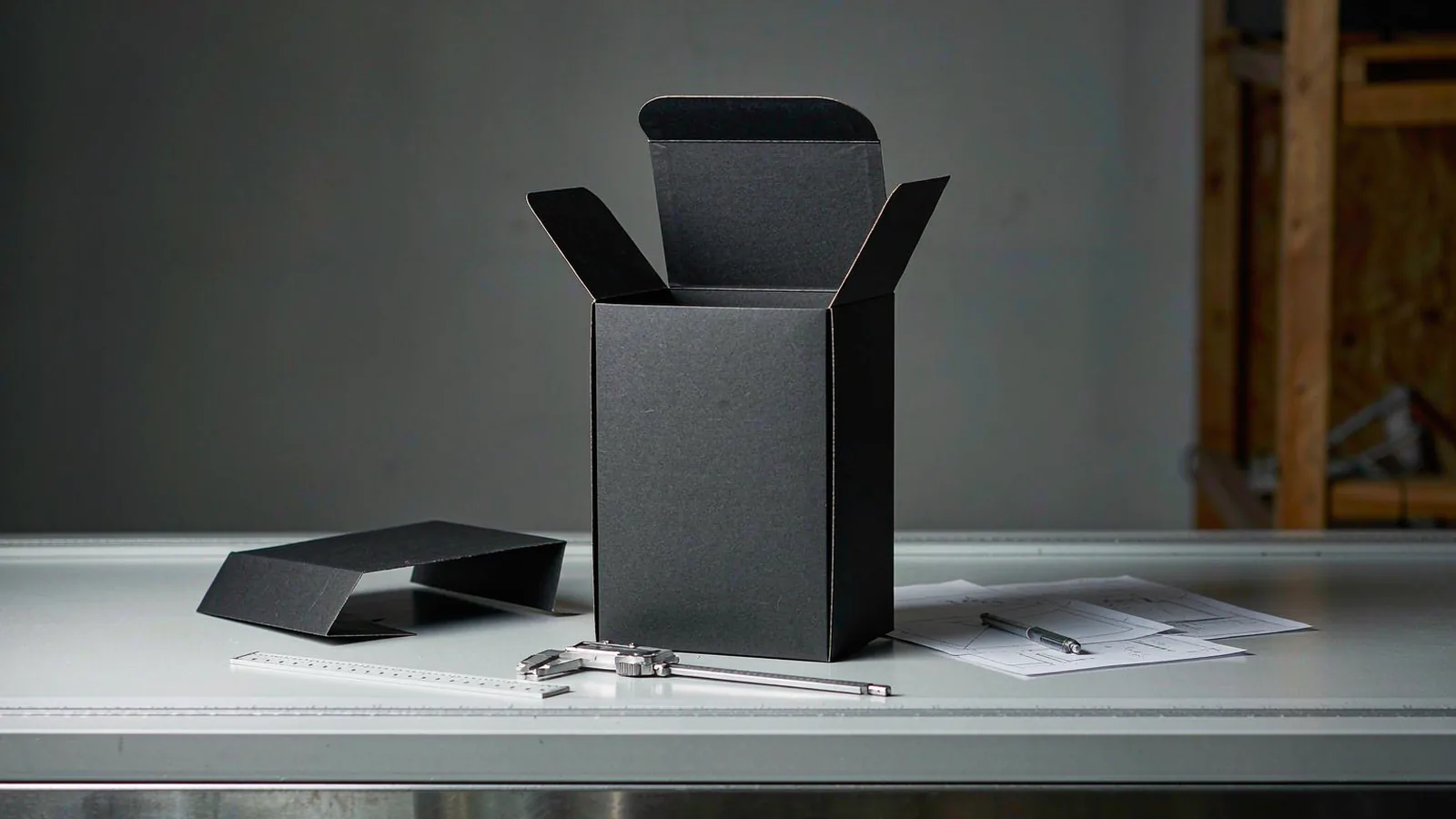
| Rigid box or folding carton? | One carries the brand and the product; the other carries the product and the price. The choice is about what the packaging has to do after it is opened. | STRUCTURE COMPARISON |
| Magnetic closure or drawer box? | Both are rigid boxes. The difference is the reveal: a lid that snaps shut, or a tray that slides out. | CLOSURE COMPARISON |
| What you are actually paying for in a box | A box price is six or seven cost lines added together. Knowing which ones you can move is the difference between negotiating and guessing. | COST GUIDE |
| Why the minimum order is 500 pieces | The minimum is not arbitrary. It is the quantity at which the fixed costs stop dominating the unit price. | ORDER GUIDE |
| Planning a packaging order around the lead time | A packaging schedule is four clocks, not one. Planning only the production time is how a launch date slips. | PLANNING GUIDE |
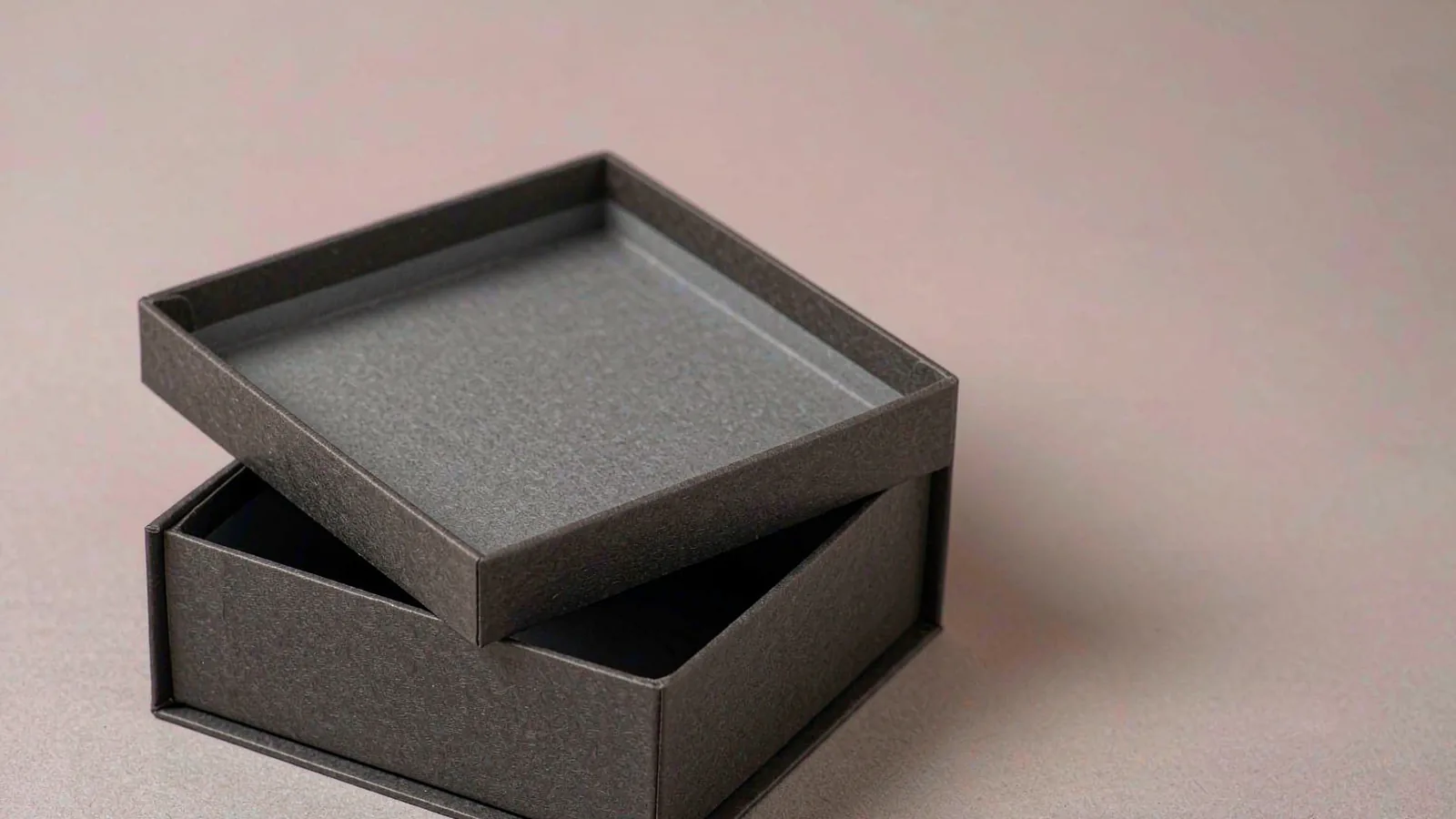
| Book-style box or lid-and-base? | One opens flat like a book; the other lifts away. The choice is about whether the contents want a spread or a cavity. | STRUCTURE COMPARISON |
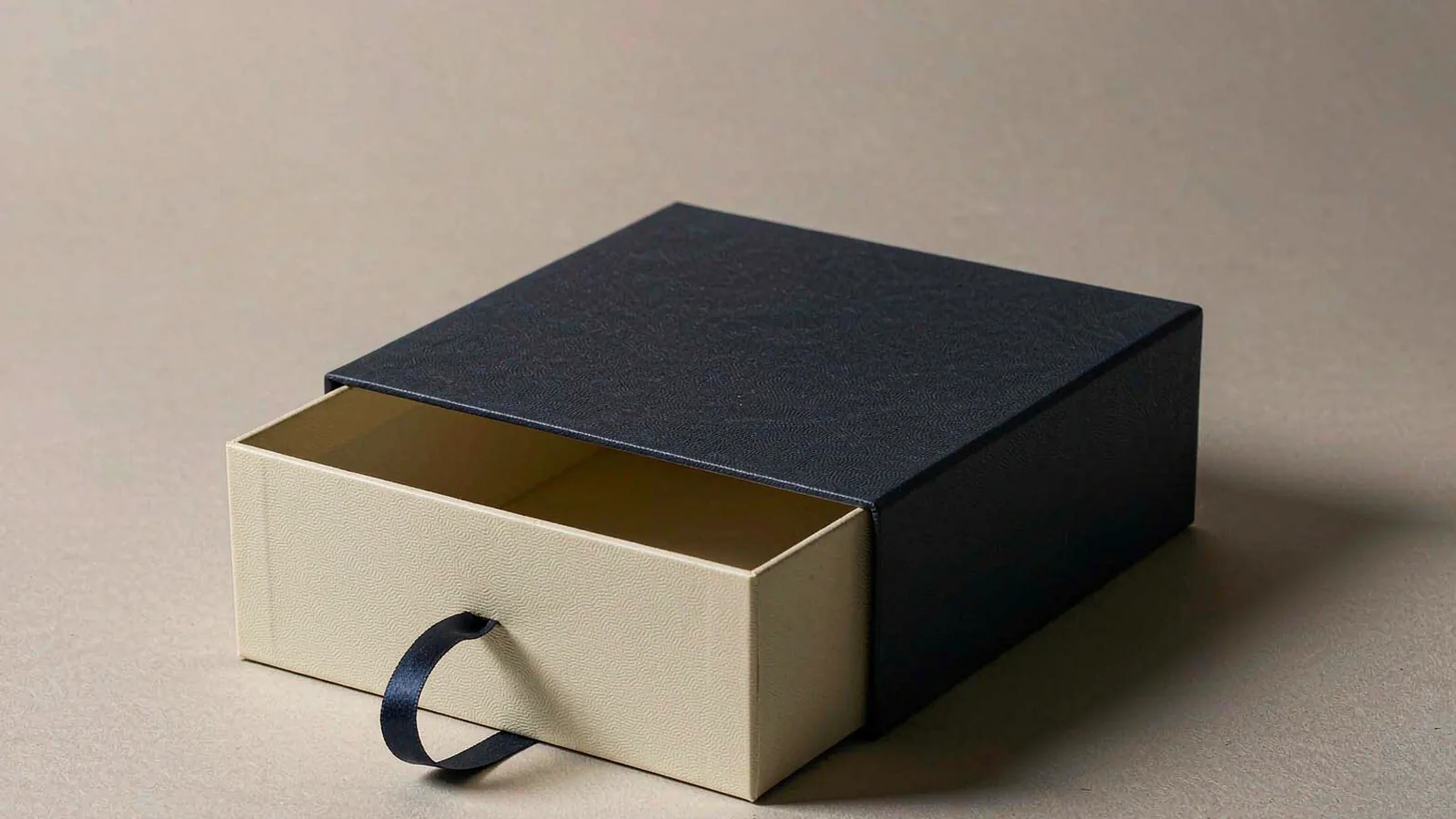
| Sleeve or drawer box? | Both reveal by sliding. The difference is whether the sleeve has a tray built in, and what that means for variants and tooling. | STRUCTURE COMPARISON |
| Collapsible or standard rigid box? | The box looks the same when assembled. The difference is what it costs to ship and store before it is. | STRUCTURE COMPARISON |
| Which finishes hold on which wrap? | A finish fails for one of three reasons: the surface will not take it, the board is too thin to hold it, or the corner cannot carry the wrap. Choosing the wrap first and the finish second removes most of the risk. | MATERIAL COMPATIBILITY |
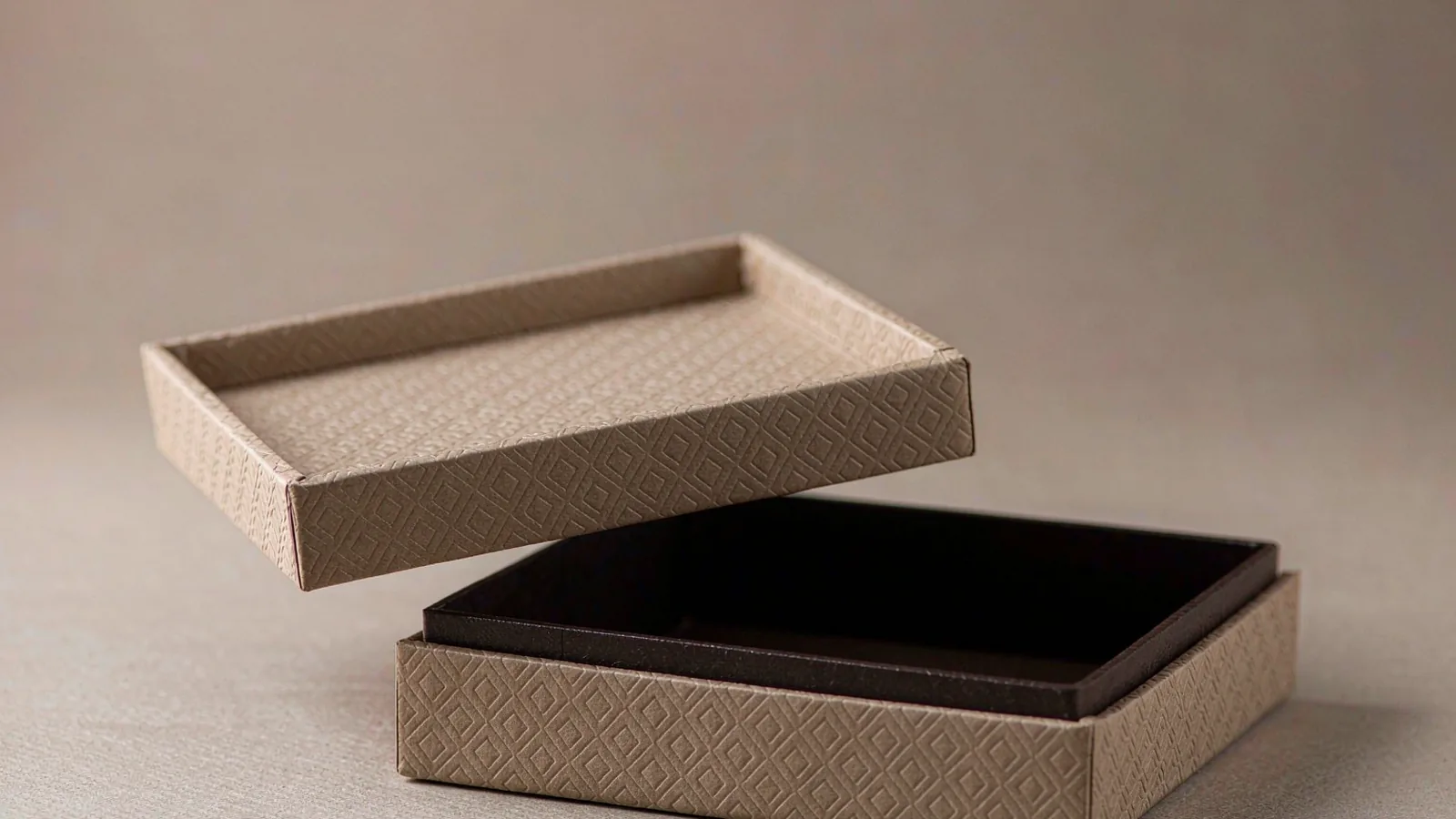
| Lid-and-base or shoulder-neck box? | Two rigid boxes, one lid each, and the seam in a different place. A lid-and-base box overlaps the base; a shoulder-neck box lands on a step formed into it — and that step decides the print, the tolerance and the cost. | STRUCTURE COMPARISON |
| What a packaging quotation includes | A box quoted FOB and the same box quoted DDP are not two prices for one thing. The gap is freight, insurance, duty and the cost of being the importer — and leaving it out is how a cheaper quotation becomes the more expensive order. | BUYING GUIDE |
| AQL for packaging: how many boxes get inspected? | An AQL plan settles one question before production starts: how many boxes are opened, and how many defects mean the lot goes back. Without one, a quality argument is decided by whoever is more upset. | QUALITY GUIDE |
| Food contact packaging: what actually has to be declared? | There is no such thing as FDA-certified packaging, and in Europe there is still no single rule for paper and board. What exists is a chain of declarations — and a buyer who knows which one applies can tell a compliance file from a line on a spec sheet. | COMPLIANCE GUIDE |
| Transit testing: which ISTA or ASTM test does your box need? | A drop test is not a standard, and a standard is not a test report. The first decision is the journey the parcel actually takes, the second is which procedure models it, and the third — the one that gets skipped — is what counts as a failure before the first box is dropped. | TESTING GUIDE |
| Factory or trading company? | Three quotations in one format, three different businesses behind them. The price gap is the least important thing about which one you are talking to. | SOURCING |
| China or Europe? The switch, not the price | The unit price difference is the number the decision starts with, and the one that survives least contact with a first year of ordering. | SOURCING |
| Offset, digital or screen: at what quantity | The trade figure of about a thousand pieces is arithmetic, not a law. It moves with the number of colours, and on a six-colour wrap it moves a long way. | PRINTING |
| Which claims can you print on the box? | A claim printed on a box is a statement the printer is making about evidence. The material is only the first part of that evidence, and it is the part most likely to be checked least. | COMPLIANCE GUIDE |
| What to check during a factory audit | A factory audit is not a tour of the showroom. Six classes of hard evidence — legal entity and certificates, live orders, QC records, material traceability, and the compliance file — and the red flag in each. | BUYING GUIDE |