PACKAGING INSIGHTS

Packaging guides, written from the factory floor

How structures are chosen, how materials are specified, what sampling really involves and what a fair quotation should contain. Written for buyers sourcing custom packaging, not for search engines.

All guides30

Manufacturing

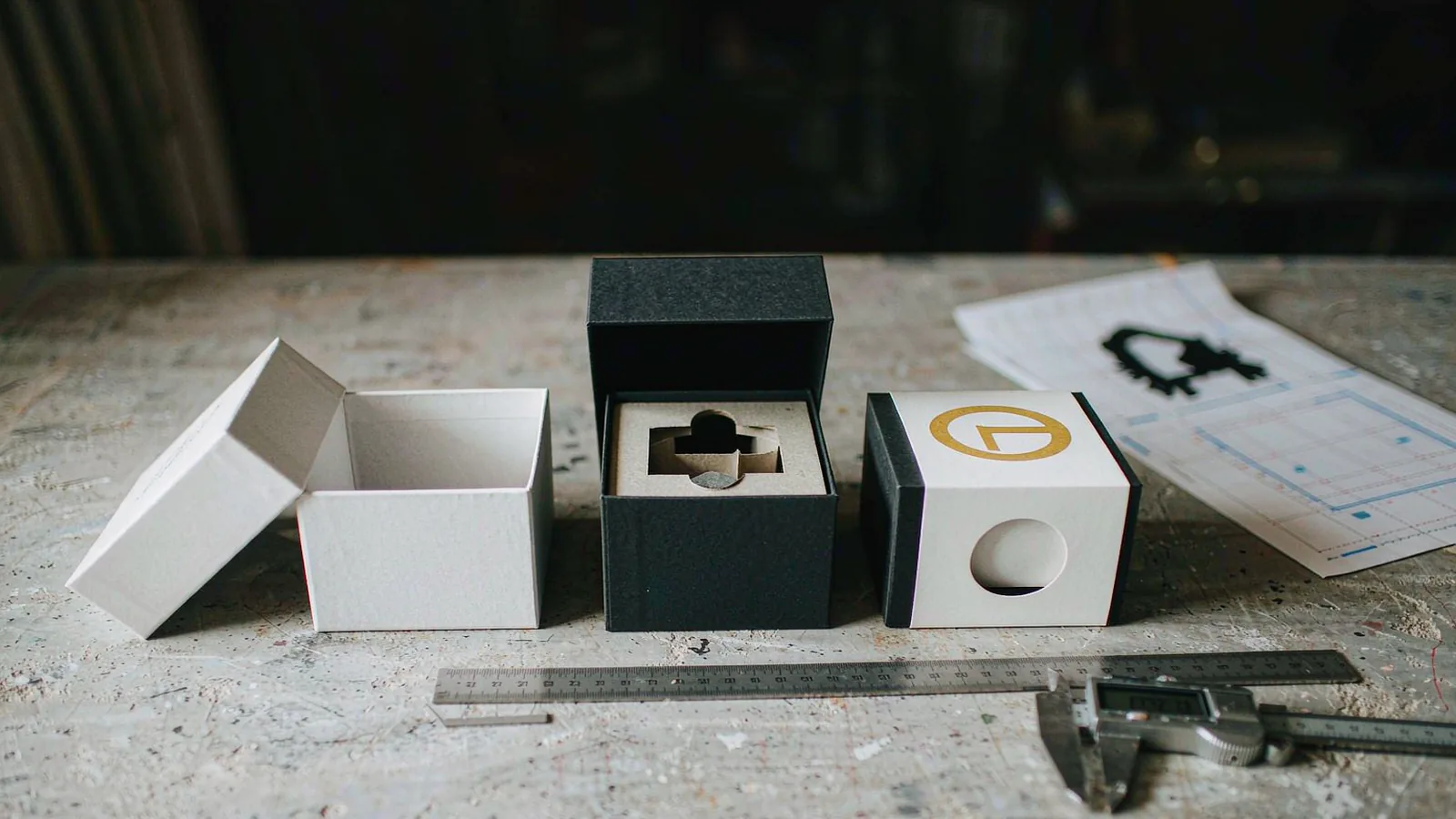
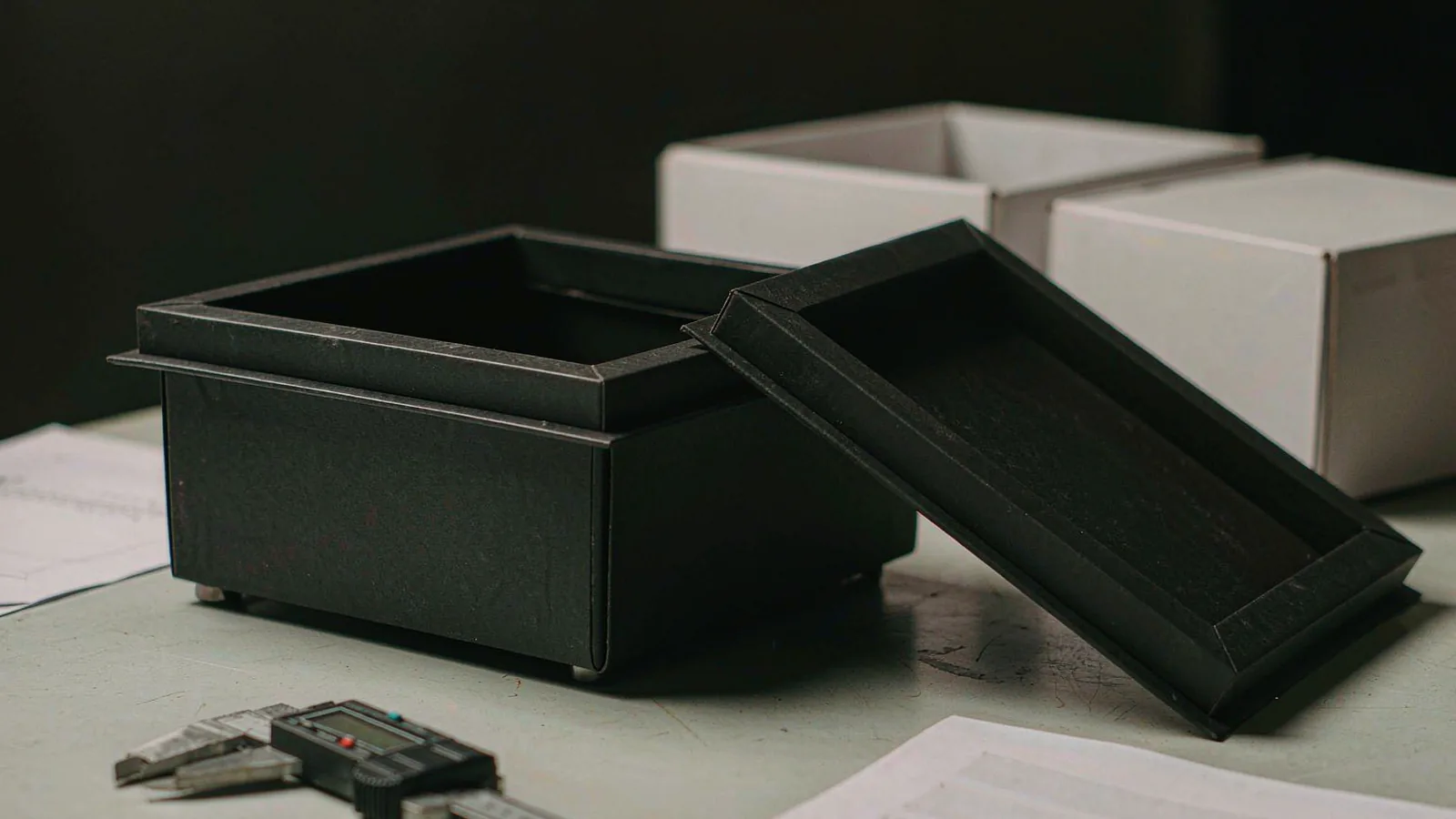
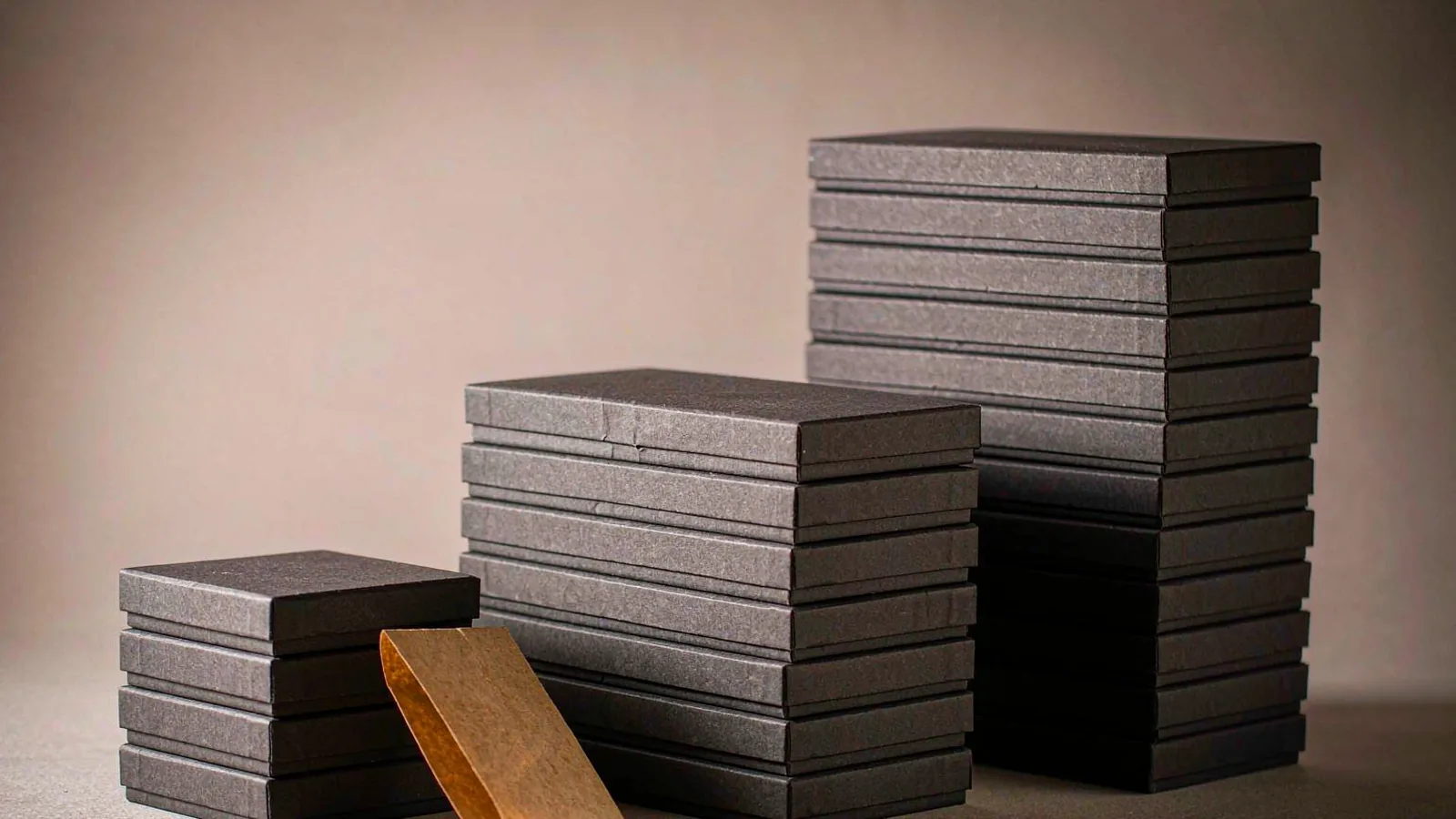
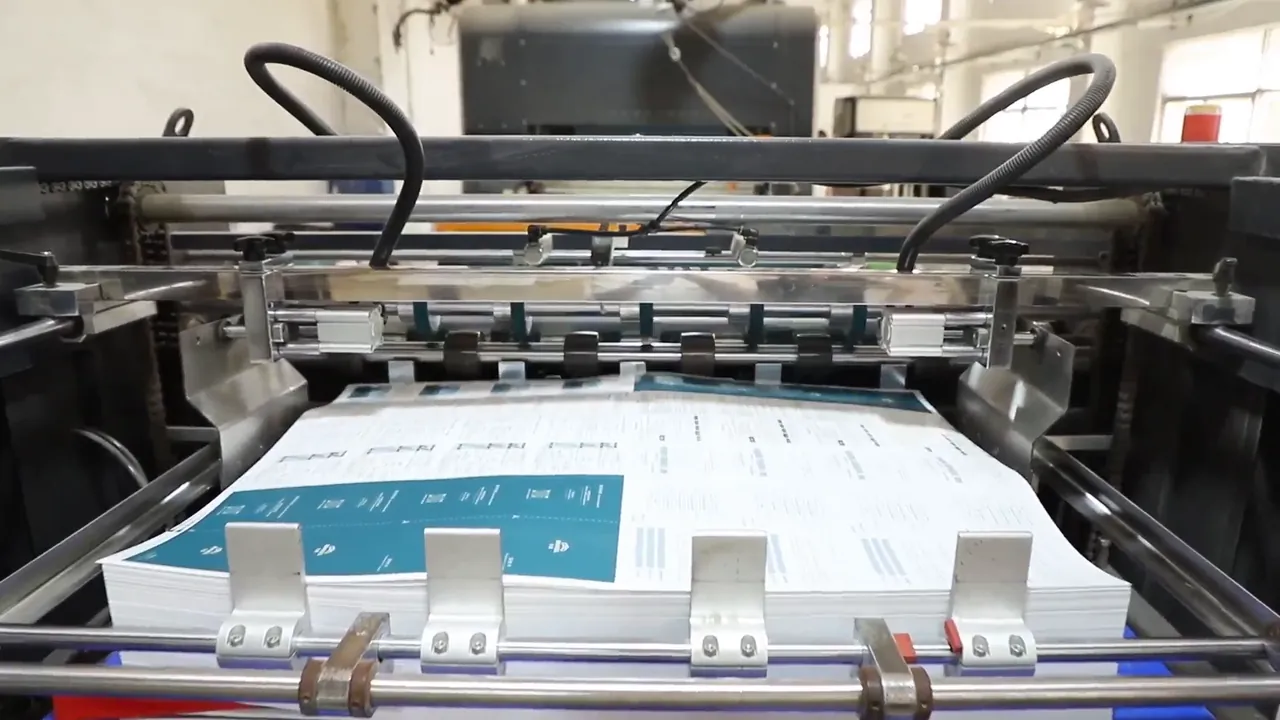
How a Custom Rigid Box Is Made, From Board to Approved Sample

A rigid box is not printed and folded; it is wrapped. That one fact decides which stages exist, why corners separate, why the second run costs less than the first, and what you should be inspecting at each handover.

Read the guide →

Structures

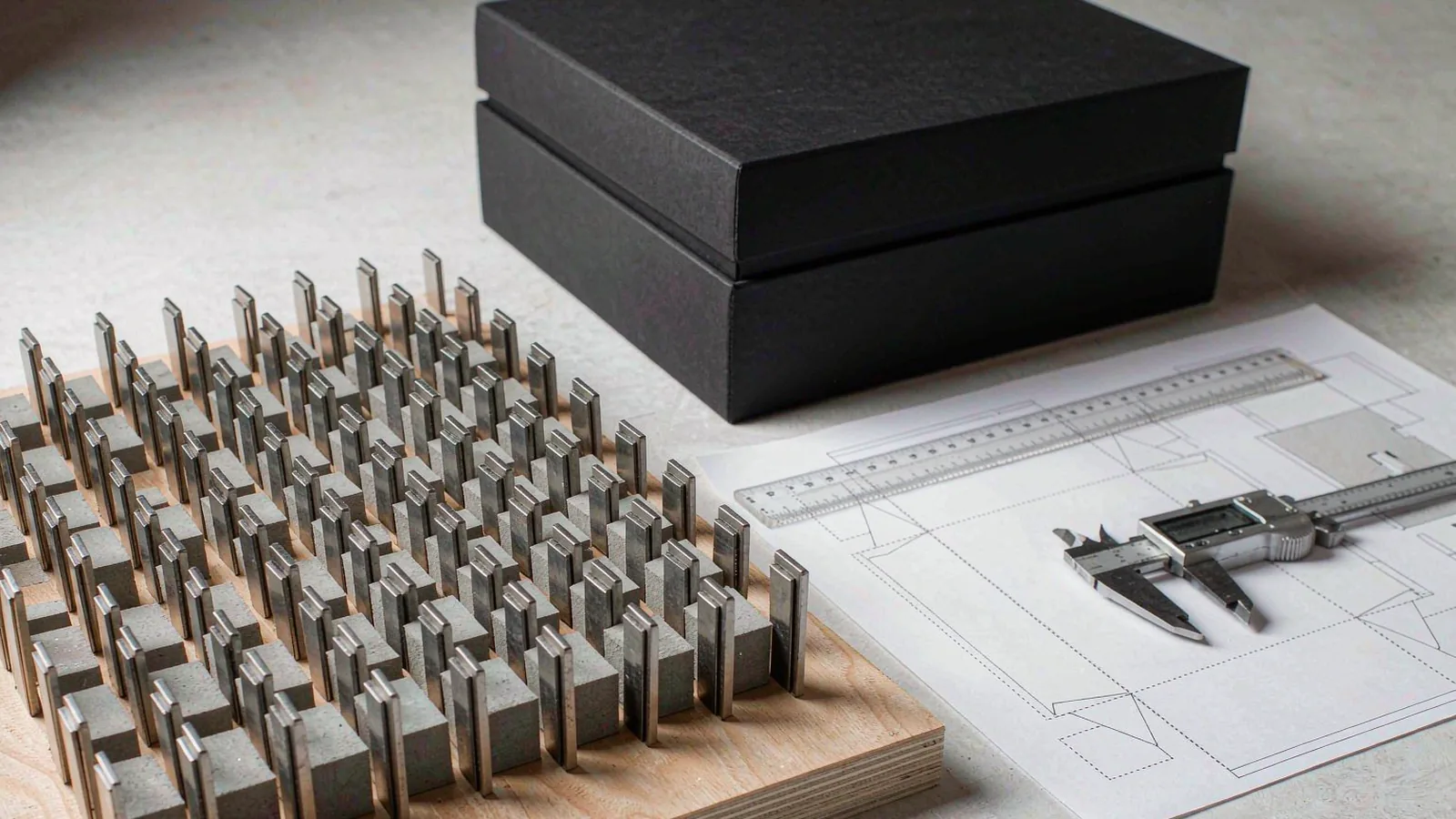
Standard Box Sizes: How Dimensions Are Specified

There is no standard list of box sizes, and looking for one usually means the product has not been measured yet. A box dimension is derived: product, cavity, interior, exterior — and the exterior is the number that is paid for twice.

Read the guide →

Materials

Kraft or Coated Wrap: Choosing a Rigid Box Paper

The two wraps are not grades of one paper. Kraft is porous and reads natural; coated is sealed and holds fine print. The choice follows the artwork, the courier journey and the corner the customer touches — and it should be settled on a physical sample before the dieline is drawn.

Read the guide →

Structures

Cylinder Box Sizes: How the Diameter Is Chosen

A cylinder has one controlling dimension, and between two mandrels there is no size at all. How the internal diameter is derived from the container, what the two constructions can reach, and why every diameter is its own run.

Read the guide →

Structures

Board Game Packaging: How a Game Box Is Specified

A game box holds more separate components than almost anything else on the shelf. The folded board, the deck and the punch sheets set the interior; lid depth, board thickness and the organiser follow — and the sample is where all three get proven.

Read the guide →

Sourcing

Protecting Your Packaging Design When Sourcing From a Factory

A custom pack is carried by four distinct artifacts — artwork, dieline, tooling, approved sample — and each starts somewhere different. Ownership is settled line by line on the quotation, not by trust, and the sample round is where most of it gets secured.

Read the guide →

Materials

Rigid Box or Wooden Box? A Premium Packaging Choice

Both are photographed closed and both are called a box, which is why the comparison usually goes wrong. Weight, print detail, interior tolerance, tooling and end of life each point the same way — until the pack is meant to be kept.

Read the guide →

Quality

Why the Reprint Looks Different: Colour Drift

A slight difference between runs is usually variation, not error — but only if the band, the sample and the light were named in advance. What moves colour between runs, what bounds it, and the four lines to put in writing.

Read the guide →

Structures

Tuck-End or Crash-Lock? Choosing a Carton Base

The bottom is where a carton fails first and gets argued about least. What a tuck base and a crash-lock base carry, how each erects, what each die costs, and how weight and quantity settle the choice.

Read the guide →

By topic

Every article in this list, grouped by topic.

TopicArticles
MaterialsPaper-Based Packaging Materials and Sustainable Design Considerations · Rigid Box Board Thickness: Specifying It From the Product, Not From Habit · FSC Certification for Packaging: What the Certificate Covers, and What It Does Not · Kraft or Coated Wrap: Choosing a Rigid Box Paper · Paper Tube or Tin Can: Choosing a Container for Tea and Cosmetics · Rigid Box or Wooden Box? A Premium Packaging Choice · Greyboard vs Chipboard: Naming the Boards Inside a Box
ManufacturingCustom Cylinder Packaging: From Concept to Finished Product · How a Custom Rigid Box Is Made, From Board to Approved Sample · What Actually Happens During Packaging Sampling, and What It Costs · Dielines, Tooling and Why Your Second Run Costs Less Than the First
StructuresHow Paper Tube Packaging Is Designed for Different Industries · Magnetic Closure Boxes: Magnet Strength, Position and How the Lid Should Shut · Two-Piece or Magnetic Rigid Box? A Decision You Should Make Before Artwork · Drawer Boxes vs Lid-and-Base: What the Opening Sequence Costs You · Rigid Box Inserts: Foam, Board and Moulded Pulp, and What Each One Costs You · Standard Box Sizes: How Dimensions Are Specified · Cylinder Box Sizes: How the Diameter Is Chosen · Board Game Packaging: How a Game Box Is Specified · Tuck-End or Crash-Lock? Choosing a Carton Base
PerfumePerfume Box Structures: Cradles, Cap Clearance and the Weight of Glass
CosmeticsWhere Cosmetic Packaging Leaks, and How the Insert Prevents It
QualityA Pre-Shipment Quality Control Checklist for Custom Packaging · Why the Reprint Looks Different: Colour Drift
SourcingHow to Write a Packaging RFQ That Comes Back With a Price You Can Use · Sourcing Custom Packaging From China: What to Verify Before You Order · Protecting Your Packaging Design When Sourcing From a Factory
ArtworkPrint Files for Packaging: What Has to Be Right Before You Send Them
Cost & PricingWhy Packaging Unit Cost Falls With Quantity, and Where It Stops
LogisticsExport Packing for Custom Packaging: Cartons, Pallets and the Cost of Damage

Measurements in this collection are stated to the standard that defines them.

Board thickness is specified to⁠ ⁠ ISO 534,⁠ ⁠the standard method for the thickness, density and specific volume of paper and board, so a millimetre in a specification means the same thing to both sides.

Moisture behaviour is measured to⁠ ⁠ ISO 287,⁠ ⁠moisture content of a lot of paper and board, oven-drying method.

Questions about these guides

Where should I start reading?

If you are choosing a structure, start with the comparisons in Guides: rigid against carton, magnetic against drawer, sleeve against drawer. If you are specifying a job, the articles on board thickness, dielines, artwork setup and sampling are the ones buyers read first, in that order.

Who writes these, and where do the numbers come from?

They are written from projects run on the Guangzhou floor, not from a content calendar. Where a figure is typical rather than quoted, the article says so, and the note under each one names the standard the measurement follows.

How current are these articles?

Each one carries its publication date, and the structured data on the page carries a revision date that moves when the article is actually edited. A guide that has not been revised shows the same date twice rather than claiming activity it did not have.

CUSTOM PROJECT

Have a structure in mind?

Send the product dimensions, the quantity and whatever packaging reference you are working from. We will come back with a structure and an indicative price.

Request a quote
Since 200520+ years manufacturing packaging
two plantsFoshan & Guangzhou
ISO 900104626Q00932R001
AuditedMade-in-China.com · MIC-ASI261850