The product ships
A courier network needs stacking strength and crush resistance that a folding carton does not provide.
A corrugated box is a printed shipping box — mailer, e-commerce parcel or shelf-ready case — that carries the brand through the parcel.
From $0.507 per box at 500 pieces, indicative — a real job usually lands at or above it. A written quotation is the number that counts.
Prices are indicative reference unit prices per box in USD, based on the stated order quantities. Actual pricing depends on box dimensions, materials, printing, finishing, inserts, order specifications and shipping terms. Final prices are confirmed through a written quotation.
Reference prices reviewed
Metapackink is a custom corrugated box manufacturer based in Guangzhou, China. The company offers custom corrugated boxes, with customization options for dimensions, materials, printing and finishing. Minimum order quantities are generally based on box size, structure and specifications. Standard custom orders typically start at 500 pieces per size and specification. Available stock sizes, simpler structures and repeat orders may allow lower quantities; special materials, complex structures and custom inserts may require higher minimums. Your written quotation confirms the minimum for your specification.
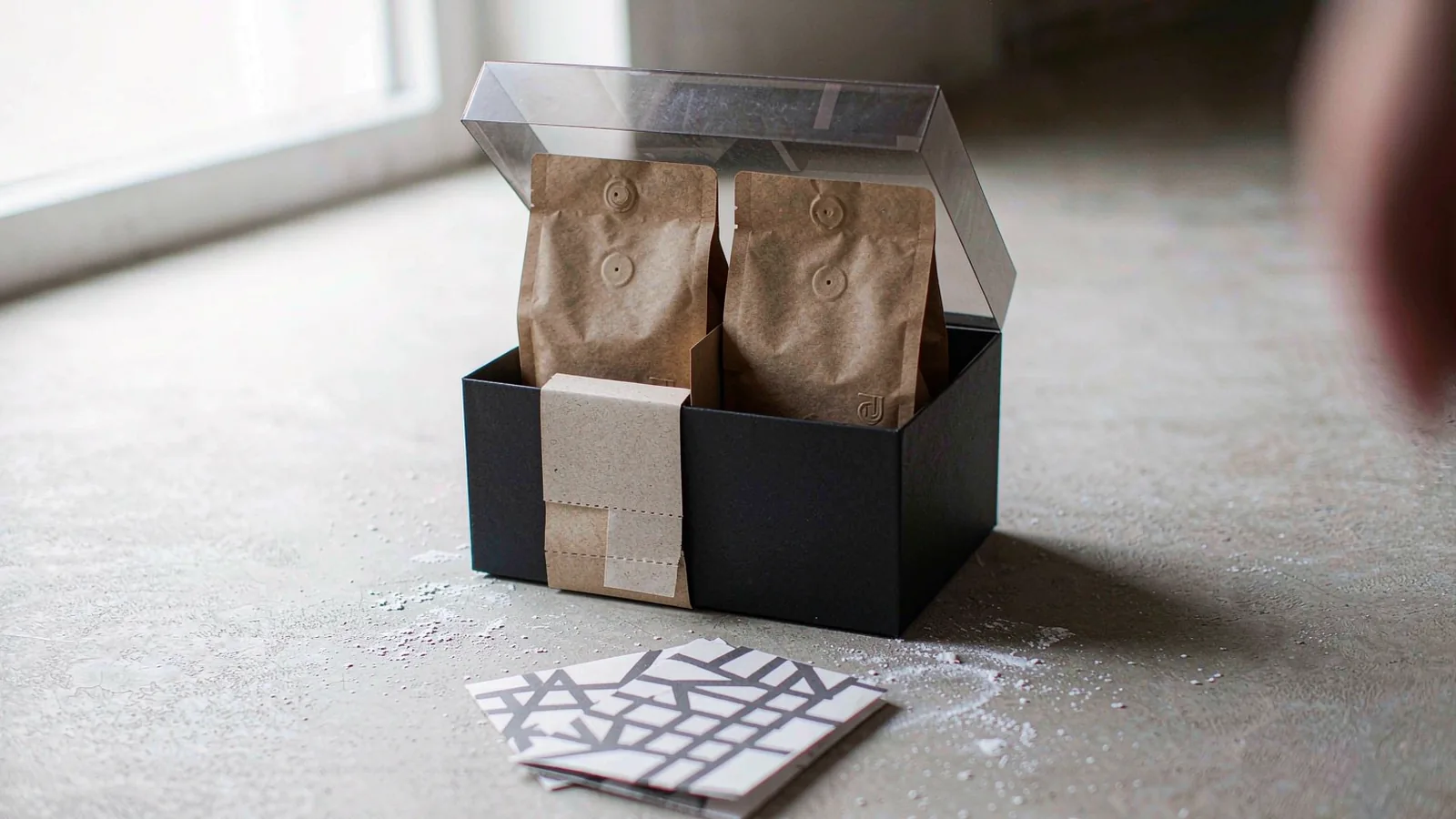
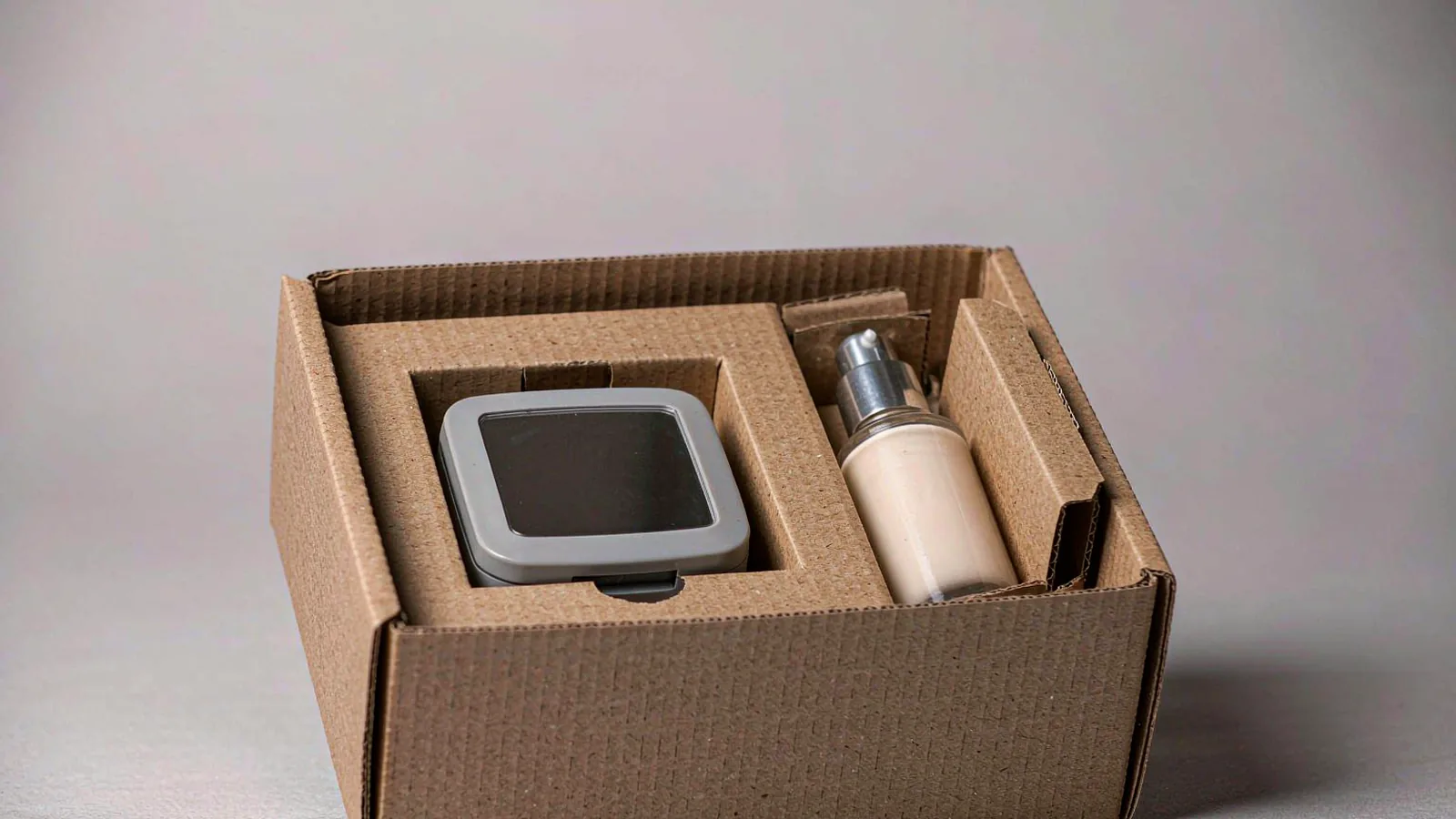
Corrugated board is a flute between two liners, and the flute is what gives it stacking strength at a low weight. That makes it the structure for shipping: an e-commerce mailer, a subscription box, a retail-ready case that goes from pallet to shelf without being unpacked.
The face can be printed directly or litho-laminated, so a corrugated box does not have to look like a plain shipper. For a brand that ships direct, the outer box is often the first physical contact a customer has, and it is specified as a brand surface rather than a protective afterthought.
A courier network needs stacking strength and crush resistance that a folding carton does not provide.
A case that goes from pallet to shelf without unpacking saves a handling step at the store.
Litho-lamination puts a full-colour face on a shipper, so the parcel is part of the brand.
Double-wall corrugated carries weight that a rigid box would need a crate to match.
A printed mailer that arrives as the brand and is recycled after.
A monthly shipper with a printed interior and a die-cut fitment.
A case that becomes the shelf display.
A double-wall case for heavy or fragile goods in long-haul freight.
The flute, the wall and the print method are decided by the weight, the stacking height and how the box is handled. A lighter flute lowers freight; a heavier one survives a pallet.
E flute is thin and prints well; B and C flute carry more stacking load. The choice is set from the product weight and the height of the pallet, not from a default.
Customise this boxDirect flexo is economical for one or two colours; litho-lamination gives a full-colour photographic face on corrugated. The method is chosen with the artwork, not after it.
Customise this boxA die-cut corrugated insert or a moulded pulp tray locates the product so it cannot move inside a larger case. It is the difference between a box that arrives intact and one that rattles.
Customise this boxA full-colour photographic face on a shipper.
Economical one- or two-colour branding on the liner.
Scuff protection on a printed face that travels.
A window that shows the product without opening the case.
| Board | B-flute 3 mm single wall as standard; E-flute 1.5 mm on small boxes, BC 6 mm double wall where the case ships on its own |
|---|---|
| Closure | Tuck flap or crash-lock base; delivered flat and erected at packing |
| Interior | Die-cut corrugated or paperboard dividers, or a moulded pulp insert |
| Tolerance | Single wall ±3 mm, double wall ±5 mm on the internal dimensions of the erected case, per GB/T 6543-2008 clause 5.2.3 |
| Print sheet | Sheet-fed offset up to 1,100 × 1,600 mm; flexo up to 1,397 × 2,413 mm |
| Blank size | A 400 × 300 × 250 mm regular slotted carton measures about 1,457 × 574 mm, with the 1,457 mm run along the 2,413 mm direction |
Specifications are confirmed on your written quotation. Anything not written into the specification is not part of the order.
Wall grade and case construction are specified to GB/T 6543, the Chinese national standard for single- and double-wall corrugated shipping cases, which fixes the flute combinations, the box grades built from them, and the ±3 / ±5 mm dimensional tolerance on a finished case.
Colour is controlled to ISO 12647-2, offset process control, measured against a physical Pantone reference rather than a screen.
Corrugated board is a fluted medium between liners, and the flute profile sets the board’s strength, thickness and print quality. E-flute (~1.5 mm) is thin and prints sharply, so it is the mailer and retail carton; B-flute (~3 mm) is the all-rounder for shipping; C-flute (~4 mm) gives the best stacking; BC double-wall combines B and C for heavy or exported loads. The factory quotes by the combined board, not the flute alone.
Choose the flute from what the box must do. A subscription mailer that must look good on a doorstep wants E-flute; a case that stacks three high in a warehouse wants C-flute or BC; a box that carries a heavy glass jar and prints a brand in line wants B-flute. The flute also drives the die-cut tolerance — thicker flute needs wider scores, confirmed on a sample.
The check is the box under load, not the data sheet. If the side wall bows under stack weight the flute is too light; if the print looks washed out the flute is too coarse for the artwork. Every board is confirmed on a loaded sample, and the edge crush (ECT) or burst (BCT) is written into the quotation when the buyer asks for it.
The two common formats share the same board but not the same blank. An RSC (regular slotted container) is the standard box with four flaps that meet in the middle — cheap, fast, and the default for shipping. A die-cut box is cut to a custom shape with a one-piece self-locking or display form — more design, less void fill, and a better unboxing.
In practice the RSC is the economical, protective shipper and the right call for plain transit; the die-cut is the one chosen when the pack is also the presentation, when void fill must drop, or when a retail display needs a shelf-ready form. The factory recommends the format from how the box is opened and where it is seen, not from habit.
We do not present one as simply better. On the quotation the choice follows the role: a transit case almost always goes RSC, a subscription or retail presentation almost always goes die-cut. The trade-off in material, die cost and void fill is on the corrugated guide linked from this page.
Corrugated dimensions are taken on the inner (usable) space, then the board thickness is added out. Inner length = product length plus 5–10 mm for cushion and handling; the same for width and height; then add the combined board thickness (about 1.5 mm for E, 4 mm for C) to each outer face. The flute also has take-up, so a die-cut blank is longer than the flat panel it forms.
Work it from the product outward. A 200 × 150 × 100 mm item with 8 mm clearance needs an inner 216 × 166 × 116 mm; with B-flute (~3 mm) the outer is roughly 222 × 172 × 122 mm. The score depth follows the board thickness, so the same product in C-flute is a few millimetres larger outside but the inner stays the same.
Two things the sample room checks that the arithmetic misses. The box must close with the flaps meeting, so the slot depth is set by the board thickness; and a heavy load needs the flaps to overlap, not just meet. Every dimension is confirmed on a physical box with the product packed, never taken from a stock size list.
A corrugated quotation is built from a short list of cost lines. Board grade and flute lead: Kraft liner and BC double-wall cost more than test liner and E-flute. The format sets the die — an RSC is a simple score-and-slot, a die-cut is a custom cutting form. Print (flexo in line, or litho-laminate for high fidelity) and any coating each add a line, and reinforcements such as a reinforced bottom or handle add another.
Two lines move with volume and timing. The minimum is 500 pieces, and tooling amortises across the run, so a 2,000-piece order is cheaper per unit than 500; the sample is charged at US$30 to 120 with a 4 to 6 working-day lead, credited against the production order where the quotation says so. The last line is packing and freight: carton count, dimensions, weight and the Incoterm — under FOB you arrange the main carriage, under DDP you receive one landed cost.
The honest comparison is landed cost, not the box price alone. A lower board price with a larger shipping cube can cost more by the time it arrives, so we ask buyers to compare suppliers on the figure that reaches their warehouse, not the ex-works number. Anything not written into the specification is not part of the order.
The board, print method and finish named above are explained in the packaging options reference — what each option does, which materials it works on, and where it stops working.
All of it is made in our two plants in Nanhai, Foshan, and Panyu, Guangzhou: Metapackink is the manufacturer rather than a broker, so the board is cut, the wrap printed and the box assembled on our own floors, where the sample comes from.
Everything else — minimum order, lead times, Incoterms, shipping — is the same whichever box you buy, and is set out under the table.
| OEM / ODM | We offer complete OEM and ODM for corrugated boxes. ODM means fitting an existing mailer or case to your product; OEM means specifying the flute, wall and fitment from the load and the journey. |
|---|---|
| Checked on the sample | A corrugated sample is approved erected, loaded and dropped, because flute and wall choices that read correctly on a spec sheet can still crush on the first pallet. |
| Warranty | Corrugated boxes are warranted against the approved sample for flute grade, stacking strength, print registration and die-cut fitment. |
Minimum order quantities are generally based on box size, structure and specifications. Standard custom orders typically start at 500 pieces per size and specification. Available stock sizes, simpler structures and repeat orders may allow lower quantities; special materials, complex structures and custom inserts may require higher minimums. Your written quotation confirms the minimum for your specification. Samples take 4 – 6 working days from approved artwork. Sample lead time is a separate stage from production; courier time is additional. Production takes 10 working days from the later of receipt of the cleared deposit or written sample approval. Transit time is additional. Shipping terms: EXW, FOB, CIF or DDP, sea, air or courier. Sequence and inspection: process · quality control.
A flute between two liners. The flute gives stacking strength at low weight, which is why it is the structure for shipping.
For shipping, e-commerce mailers, retail-ready cases and heavy or stacked goods that a carton would not carry.
Yes. Flexo is economical for one or two colours; litho-lamination gives a full-colour photographic face.
The flute follows the load and the stacking height. E is thin and prints well; B and C carry more load.
Yes. A shelf-ready case goes from pallet to shelf without being unpacked, which saves a handling step in store.
Shape, insert and industry change what corrugated boxes can do without changing the structure underneath. Board and finishing are shared across the factory.
Finishing and board options are shared across the factory — how each is applied is on the manufacturing process page, and the structures they can be built into are on packaging solutions.
Commonly bought for Retail and branded Premium consumer products