Volume and weight
Lighter board and flat blanks cut freight and storage at scale.
A custom folding carton box — printed board, scored and glued flat —, that erects into a retail or mailer box. The lower-cost, lower-weight alternative to a rigid box.
Metapackink is a custom folding carton box manufacturer based in Guangzhou, China. The company offers custom folding carton boxes, with customization options for dimensions, materials, printing and finishing. Minimum order quantities are generally based on box size, structure and specifications. Standard custom orders typically start at 500 pieces per size and specification. Available stock sizes, simpler structures and repeat orders may allow lower quantities; special materials, complex structures and custom inserts may require higher minimums. Your written quotation confirms the minimum for your specification.
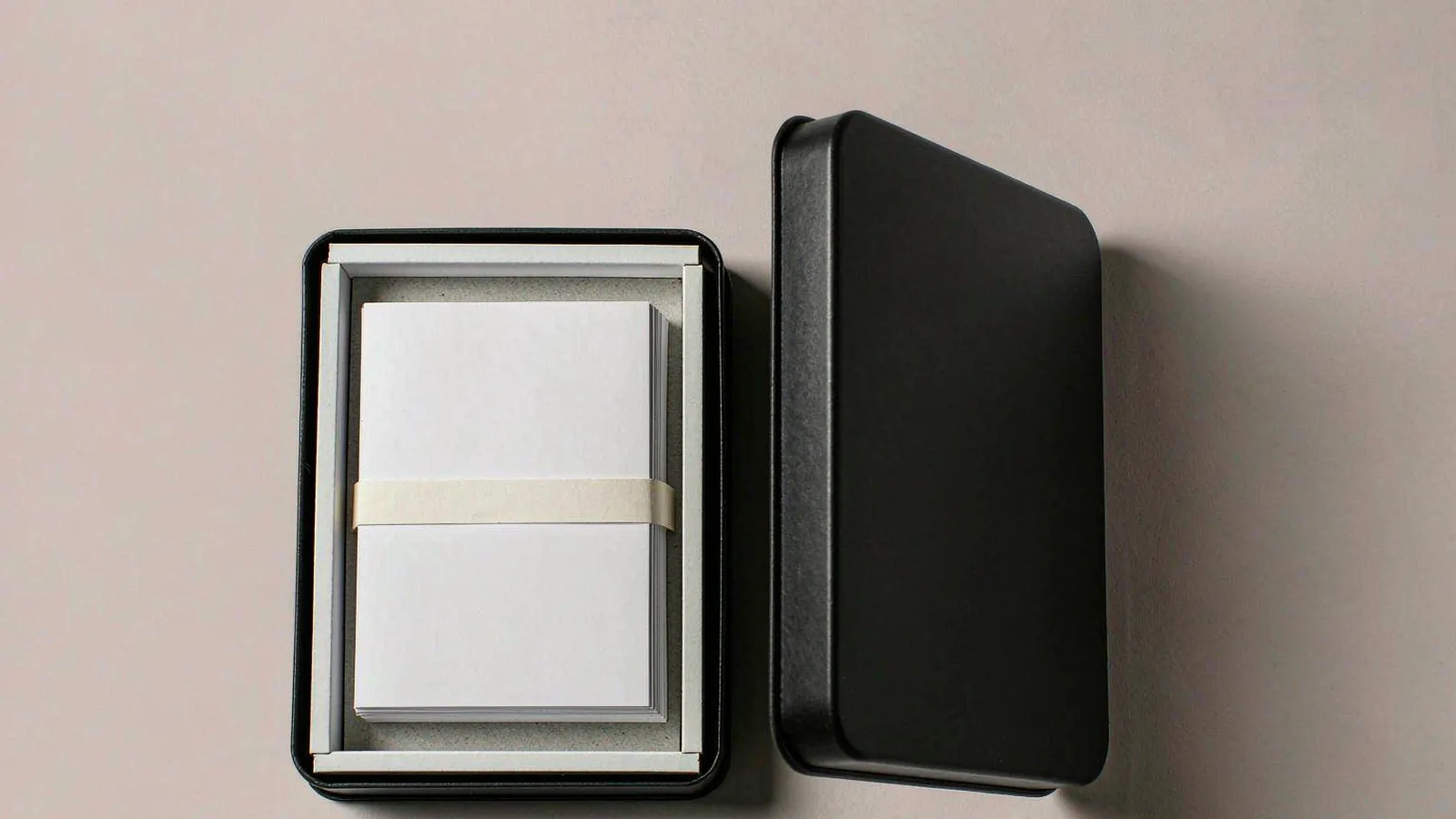
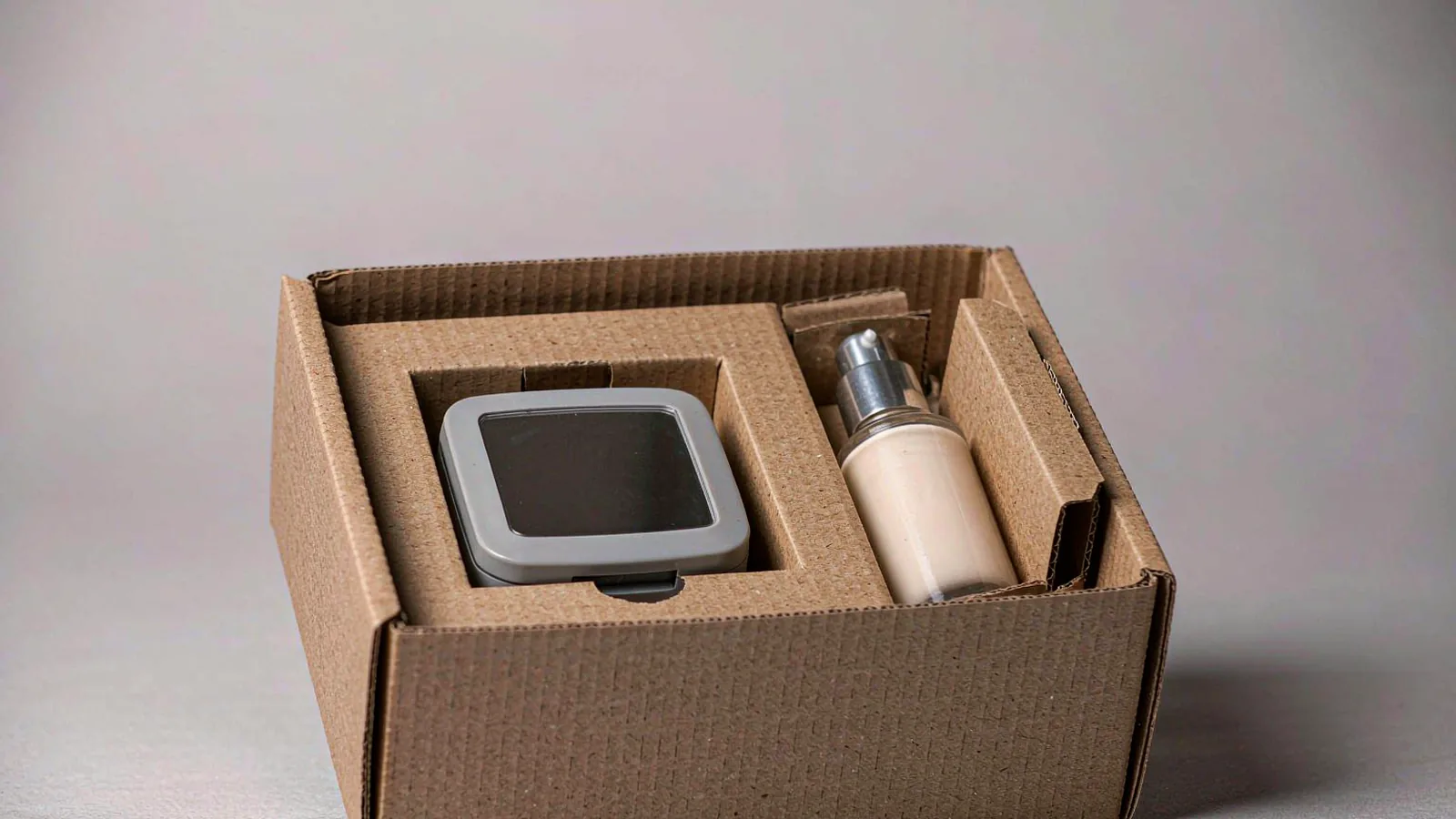
A folding carton is printed board that is scored, cut and glued into a flat blank, then erected by hand or machine. There is no greyboard shell and no wrap, so it is lighter, cheaper per unit at volume and ships flat — which is why most retail and DTC packaging is a carton rather than a rigid box.
The structure protects by board grade and fitment, not by a rigid wall. Where the product can leak or the parcel is handled roughly, a barrier lining or a heavier grade is specified. For a lightweight product where the brand lives in the print, the carton is the economical default.
Lighter board and flat blanks cut freight and storage at scale.
A carton takes a barcode and a clean face and doubles as the mailer.
Where the box, not the presentation, is the cost line, a carton is the default.
A product that does not need a rigid wall is over-packaged in a rigid box.
A printed carton with a barcode, sitting or hanging on shelf.
A mailer that arrives as the product packaging.
A carton for a bottle or jar, with a barrier where formula weeps.
A food-grade board carton with a barrier or window.
The board grade follows the weight and the drop; the face follows the shelf. Grade and crush resistance are set from how the carton ships, not from the look alone.
A carton that survives a parcel drop is a heavier board than one that only sits on shelf. The grade and the flute or coating are specified from the journey.
Customise this cartonOil- or alcohol-based product can wick through uncoated board. Where that risk exists, a barrier ply or a lined board keeps residue off the outside.
Customise this cartonA carton locates the product with a die-cut partition or a simple pad. It holds the item for the journey; it does not cradle it as a reveal.
Customise this cartonA clean shelf face, lighter than a lamination.
A logo or border that reads on a busy shelf.
Selective gloss on a matte field.
Tactile branding that reads in a product shot.
| Board | Folding boxboard 300 – 400 gsm, or E-flute 1.5 mm where the carton has to protect as well as present |
|---|---|
| Closure | Tuck-end, crash-lock or a sleeve and tray; delivered flat |
| Interior | Die-cut paperboard platform or a printed insert card |
| Tolerance | Die-cut panels to ISO 2768-1 class m: ±0.2 mm up to 30 mm, ±0.3 mm up to 120 mm. A creased and folded box is measured to a wider allowance than the flat blank. |
| Assembled size | Length and width ±0.5 mm, height ±1.0 mm |
| Gluing limit | On a Diana Smart-class folder-gluer a straight-line blank below 75 × 55 mm cannot be fed; the small-carton device takes it to 45 × 55 mm. This is the blank format, not the finished box. |
| Print sheet | Sheet-fed offset up to 1,100 × 1,600 mm; flexo up to 1,397 × 2,413 mm |
Specifications are confirmed on your written quotation. Anything not written into the specification is not part of the order.
Certified paper is verified through SGSHK-COC-330019, our own chain-of-custody certificate for FSC pulp and paper, in the public register.
Colour is controlled to ISO 12647-2, offset process control, measured against a physical Pantone reference rather than a screen.
Folding cartons are cut, creased and glued from paperboard, not built from wrapped board, so the board grade sets everything. SBS (solid bleached sulphate) is the white, food-safe face most cosmetic and perfume cartons use; art paper over greyback is the cost-saving alternative for non-contact packs; kraft board is the natural, recyclable look. The factory quotes by grammage — 300 to 400 gsm is the normal range for a carton that must hold its shape on a shelf.
Choose the board from what touches the product and how the carton is handled. A carton that slides over a bottle needs a stiffer 350 gsm SBS so the side walls do not cup; a carton that only wraps a flat insert can drop to 300 gsm. If the pack goes through a filling line the board must survive the machine, not just the shelf, so the grammage is confirmed on a sample run, not estimated.
The check is the carton in your hand, not the spec sheet. If the wall bows when the product is inside, the board is too light; if the crease does not fold flat without cracking the print, the score depth is wrong. Every board is confirmed on a physical carton with the product seated, and written into the quotation.
The three common closing styles share a flat carton but not a filling method. A tuck-end (straight or reverse) is the simplest: one or two flaps tuck in by hand or machine and hold by friction. A lock-bottom (1-2-3 bottom) locks itself square when erected, so it holds weight without glue and suits heavier inserts. An auto-bottom pops open and locks for high-speed lines.
In practice the tuck-end is the light, low-cost carton for cards and light cosmetics; the lock-bottom is the one chosen when the carton must stand and carry a heavy glass jar without the bottom giving way; the auto-bottom is the production-line choice where speed matters more than unit cost. The factory recommends the style from your filling method, not from the catalogue.
We do not present one as simply better. On the quotation the choice follows the product and the line: a 30 g sachet almost always goes tuck-end, a 200 g jar almost always goes lock-bottom. The full trade-off in speed, shelf look and cost is on the folding carton guide linked from this page.
A folding carton is specified by its flat net, not its erected box, so the number the factory cuts is the spread-out shape. Net length = product length plus 2–3 mm clearance plus the glue flap (about 12–15 mm); net width = product width plus 2–3 mm; net depth = product height plus 2–3 mm plus the top and bottom flaps (each roughly half the depth). The crease lines sit inside those, and the score allowance is set by the board thickness.
Work it from the product outward. A bottle 60 mm tall, 40 mm wide, 25 mm deep needs a carton net of roughly 40 + 6 + 14 = 60 mm wide, 25 + 6 + 2×13 = 57 mm deep, and 60 + 6 = 66 mm tall (plus the lid tuck). The glue flap is cut from the same sheet, so it does not add to the carton footprint but it sets the die width.
Two things the sample room checks that the arithmetic misses. The print must register across the crease, so the artwork is stepped for the score, not the flat; and a carton that closes by friction needs the tuck 0.5–1 mm under the wall to hold without forcing. Every dimension is confirmed on a physical carton, never taken from a stock size list.
A carton quotation is built from a short list of cost lines, and most are visible on this page. Board grade and grammage lead: SBS costs more than art-paper-over-greyback, and 400 gsm costs more than 300. The carton style sets the die and the glue — a lock-bottom needs a more complex die than a tuck-end. Print colours and finishing (foil, emboss, soft-touch, window patch) each add a line, and a window adds the PET/PP patch and its die-cut.
Two lines move with volume and timing. The minimum is 500 pieces, and tooling amortises across the run, so a 2,000-piece order is cheaper per unit than 500; the sample is charged at US$30 to 120 with a 4 to 6 working-day lead, credited against the production order where the quotation says so. The last line is packing and freight: carton count, dimensions, weight and the Incoterm — under FOB you arrange the main carriage, under DDP you receive one landed cost.
The honest comparison is landed cost, not the carton price alone. A lower carton price with a larger shipping cube can cost more by the time it arrives, so we ask buyers to compare suppliers on the figure that reaches their warehouse, not the ex-works number. Anything not written into the specification is not part of the order.
The board, print method and finish named above are explained in the packaging options reference — what each option does, which materials it works on, and where it stops working.
All of it is made in our two plants in Nanhai, Foshan, and Panyu, Guangzhou: Metapackink is the manufacturer rather than a broker, so the board is cut, the wrap printed and the box assembled on our own floors, where the sample comes from.
Everything else — minimum order, lead times, Incoterms, shipping — is the same whichever box you buy, and is set out under the table.
| OEM / ODM | We offer complete OEM and ODM for folding cartons. ODM means fitting an existing carton style to your product; OEM means specifying the board, barrier and insert from the item and the journey. |
|---|---|
| Checked on the sample | A folding-carton sample is approved erected, dropped and scanned, because a carton that reads fine flat can fail the first parcel or the first barcode scan. |
| Warranty | Folding cartons are warranted against the approved sample for board grade, crush resistance, print registration and barcode scannability. |
Minimum order quantities are generally based on box size, structure and specifications. Standard custom orders typically start at 500 pieces per size and specification. Available stock sizes, simpler structures and repeat orders may allow lower quantities; special materials, complex structures and custom inserts may require higher minimums. Your written quotation confirms the minimum for your specification. Samples take 4 – 6 working days from approved artwork. Sample lead time is a separate stage from production; courier time is additional. Production takes 10 working days from the later of receipt of the cleared deposit or written sample approval. Transit time is additional. Shipping terms: EXW, FOB, CIF or DDP, sea, air or courier. Sequence and inspection: process · quality control.
Printed board scored, cut and glued into a flat blank that erects into a retail or mailer box. There is no greyboard shell.
Usually yes at volume, because the board is lighter, it ships flat and there is less assembly.
Protection comes from the board grade and the fitment. A heavier grade and a partition are specified from the journey.
Yes. A barrier ply or lined board is used where oil- or alcohol-based product can weep through uncoated board.
Yes. A clean face leaves room for a barcode and a variant mark, so one carton style carries several SKUs.
Shape, insert and industry change what folding cartons can do without changing the structure underneath. Board and finishing are shared across the factory.
Finishing and board options are shared across the factory — how each is applied is on the manufacturing process page, and the structures they can be built into are on packaging solutions.
Commonly bought for Retail and branded Premium consumer products