A retail listing
A carton that has to sit on a planogram, scan at a till and stack on a pallet.
A custom retail carton box: printed board, scored and glued, that takes a barcode and a clean face on shelf and survives the parcel. Lighter and lower cost than a rigid box.
Metapackink is a custom retail folding carton box manufacturer based in Guangzhou, China. The company offers custom retail folding carton boxes, with customization options for dimensions, materials, printing and finishing. Minimum order quantities are generally based on box size, structure and specifications. Standard custom orders typically start at 500 pieces per size and specification. Available stock sizes, simpler structures and repeat orders may allow lower quantities; special materials, complex structures and custom inserts may require higher minimums. Your written quotation confirms the minimum for your specification.
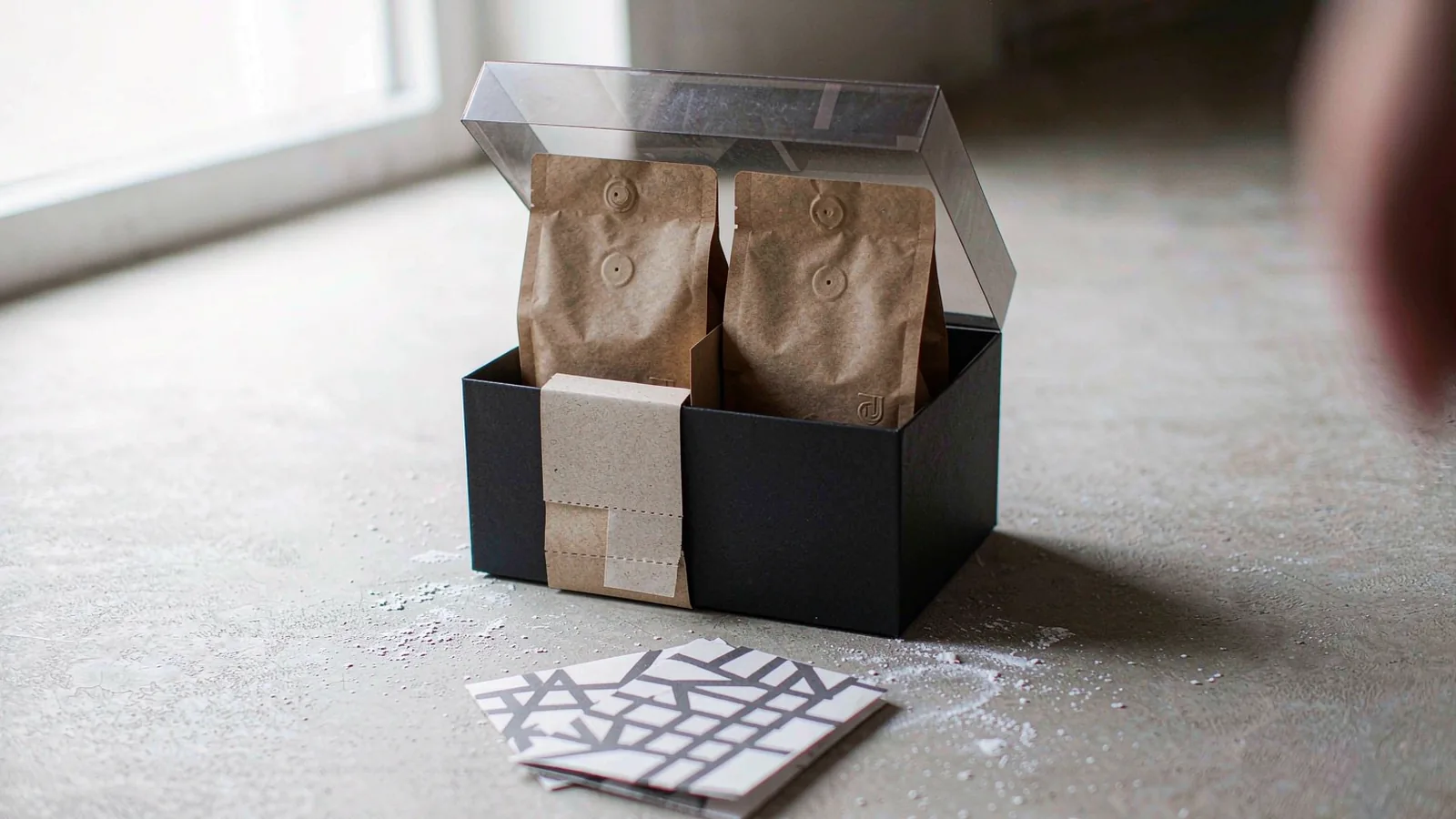
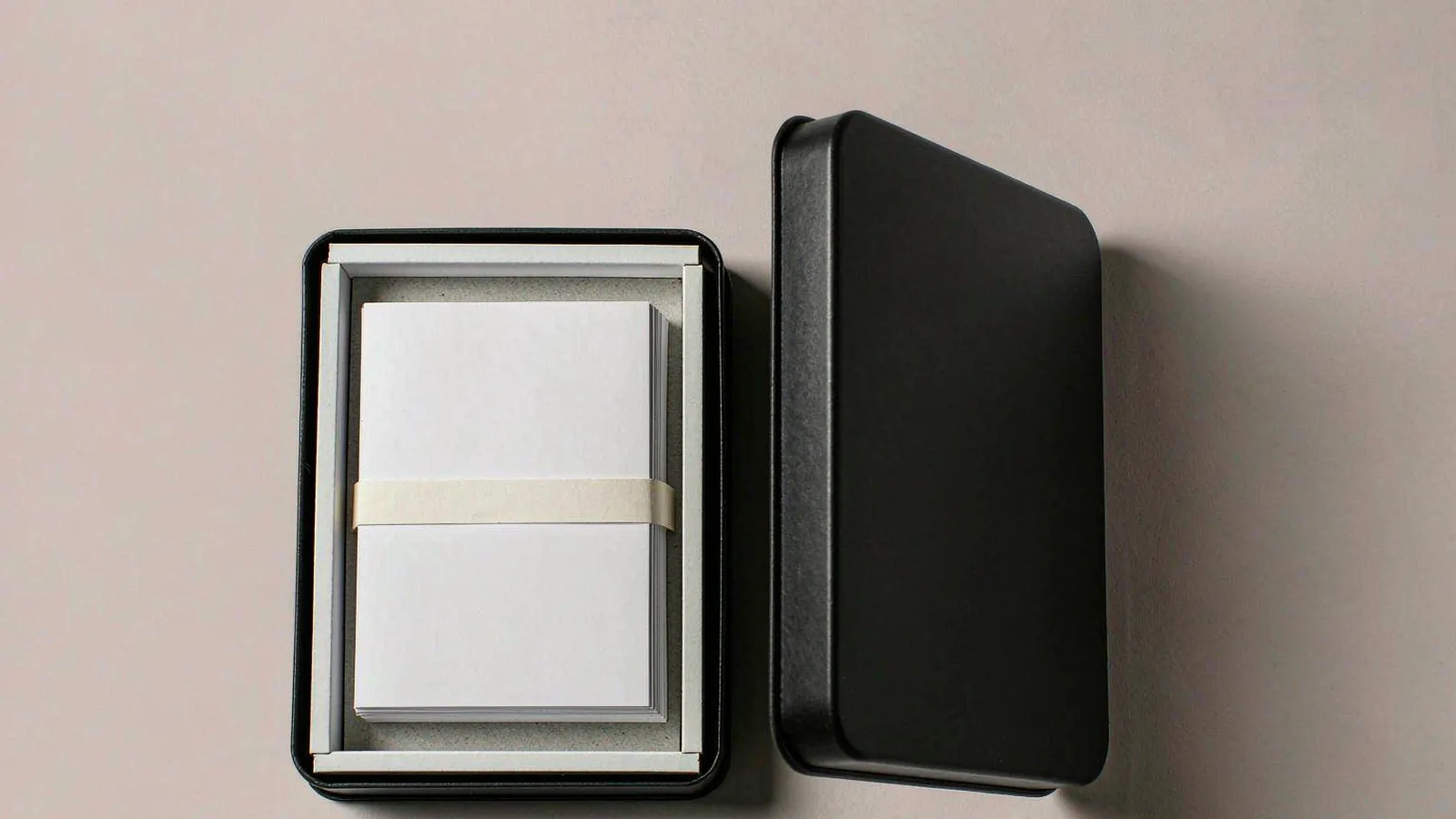
A retail carton has to work on a planogram before it works in a hand. The face has to hold its position on a shelf, the barcode has to scan first time at a till, and the case has to stack and palletise without crushing the row below. That is a supply-chain brief, not a brand one.
The carton is the right structure for it because the printed board carries the face and the barcode in one piece, ships flat, and costs little per unit at the volumes a retail listing implies. Where the SKU also ships as a parcel, the board grade is set by the drop as well as the shelf.
A carton that has to sit on a planogram, scan at a till and stack on a pallet.
Flat blanks and consistent outer dimensions keep the case stackable and the pallet stable.
The face carries the barcode and the variant mark in one print pass.
A retail listing implies volume; the carton keeps the unit cost low.
A carton positioned on a planogram with a barcode on the base or back.
A carton that stacks in a case and palletises without crush.
A carton that doubles as the parcel when the SKU ships direct.
A short-run carton for a seasonal listing.
The board grade follows the journey and the drop; the face follows the shelf. Grade and crush resistance are specified from how the SKU ships, not from the look.
A carton that survives a parcel drop is a heavier board than one that only sits on shelf. Grade and crush resistance are specified from the journey.
Customise this cartonA clean face leaves room for a barcode and a variant mark, so one carton style carries several SKUs without a redesign.
Customise this cartonA die-cut card partition or a pad holds the item for the journey. It locates, it does not cradle as a reveal.
Customise this cartonA clean shelf face, lighter than a lamination.
Brand logo and borders, kept small on a busy face.
Selective gloss on a matte field.
Tactile branding that reads in a product shot.
| Board | Folding boxboard 300 – 400 gsm, or E-flute 1.5 mm where the carton has to protect as well as present |
|---|---|
| Closure | Tuck-end, crash-lock or a sleeve and tray; delivered flat |
| Interior | Die-cut paperboard platform or a printed insert card |
| Tolerance | Die-cut panels to ISO 2768-1 class m: ±0.2 mm up to 30 mm, ±0.3 mm up to 120 mm. A creased and folded box is measured to a wider allowance than the flat blank. |
| Assembled size | Length and width ±0.5 mm, height ±1.0 mm |
| Gluing limit | On a Diana Smart-class folder-gluer a straight-line blank below 75 × 55 mm cannot be fed; the small-carton device takes it to 45 × 55 mm. This is the blank format, not the finished box. |
| Print sheet | Sheet-fed offset up to 1,100 × 1,600 mm; flexo up to 1,397 × 2,413 mm |
Specifications are confirmed on your written quotation. Anything not written into the specification is not part of the order.
Certified paper is verified through SGSHK-COC-330019, our own chain-of-custody certificate for FSC pulp and paper, in the public register.
Colour is controlled to ISO 12647-2, offset process control, measured against a physical Pantone reference rather than a screen.
The board, print method and finish named above are explained in the packaging options reference — what each option does, which materials it works on, and where it stops working.
All of it is made in our two plants in Nanhai, Foshan, and Panyu, Guangzhou: Metapackink is the manufacturer rather than a broker, so the board is cut, the wrap printed and the box assembled on our own floors, where the sample comes from.
Everything else — minimum order, lead times, Incoterms, shipping — is the same whichever box you buy, and is set out under the table.
| OEM / ODM | We offer complete OEM and ODM for retail folding cartons. ODM means fitting one carton style across your range; OEM means specifying the board grade and insert from each SKU. |
|---|---|
| Checked on the sample | A retail carton sample is approved erected, barcoded and dropped, because a carton that reads fine flat can fail the first parcel or the first scan. |
| Warranty | Retail folding cartons are warranted against the approved sample for board grade, crush resistance, barcode scannability and print registration. |
Minimum order quantities are generally based on box size, structure and specifications. Standard custom orders typically start at 500 pieces per size and specification. Available stock sizes, simpler structures and repeat orders may allow lower quantities; special materials, complex structures and custom inserts may require higher minimums. Your written quotation confirms the minimum for your specification. Samples take 4 – 6 working days from approved artwork. Sample lead time is a separate stage from production; courier time is additional. Production takes 10 working days from the later of receipt of the cleared deposit or written sample approval. Transit time is additional. Shipping terms: EXW, FOB, CIF or DDP, sea, air or courier. Sequence and inspection: process · quality control.
Most retail product ships in a carton: it is light, flat to store, cheap at volume and prints the face, barcode and variant.
A heavier board grade resists the drop; grade is specified from the journey and the sample is dropped to confirm.
Yes. A clean face leaves room for a barcode and a variant mark across several SKUs.
Usually yes, at volume, because the board is lighter and there is less assembly.
Yes. A printed variant band lets one carton style carry several SKUs without a redesign.
Shape, insert and industry change what retail folding cartons can do without changing the structure underneath. Board and finishing are shared across the factory.
Finishing and board options are shared across the factory — how each is applied is on the manufacturing process page, and the structures they can be built into are on packaging solutions.
Commonly bought for Retail and branded