A slide reveal
The product is drawn out rather than lifted, which suits a set or an edition.
A custom sleeve and slipcase: a printed wrap that slides over a tray; a slipcase is a five-panel case that a book or tray slides into. Both reveal by pulling rather than lifting.
Metapackink is a custom sleeve slipcase box manufacturer based in Guangzhou, China. The company offers custom sleeve slipcase boxes, with customization options for dimensions, materials, printing and finishing. Minimum order quantities are generally based on box size, structure and specifications. Standard custom orders typically start at 500 pieces per size and specification. Available stock sizes, simpler structures and repeat orders may allow lower quantities; special materials, complex structures and custom inserts may require higher minimums. Your written quotation confirms the minimum for your specification.
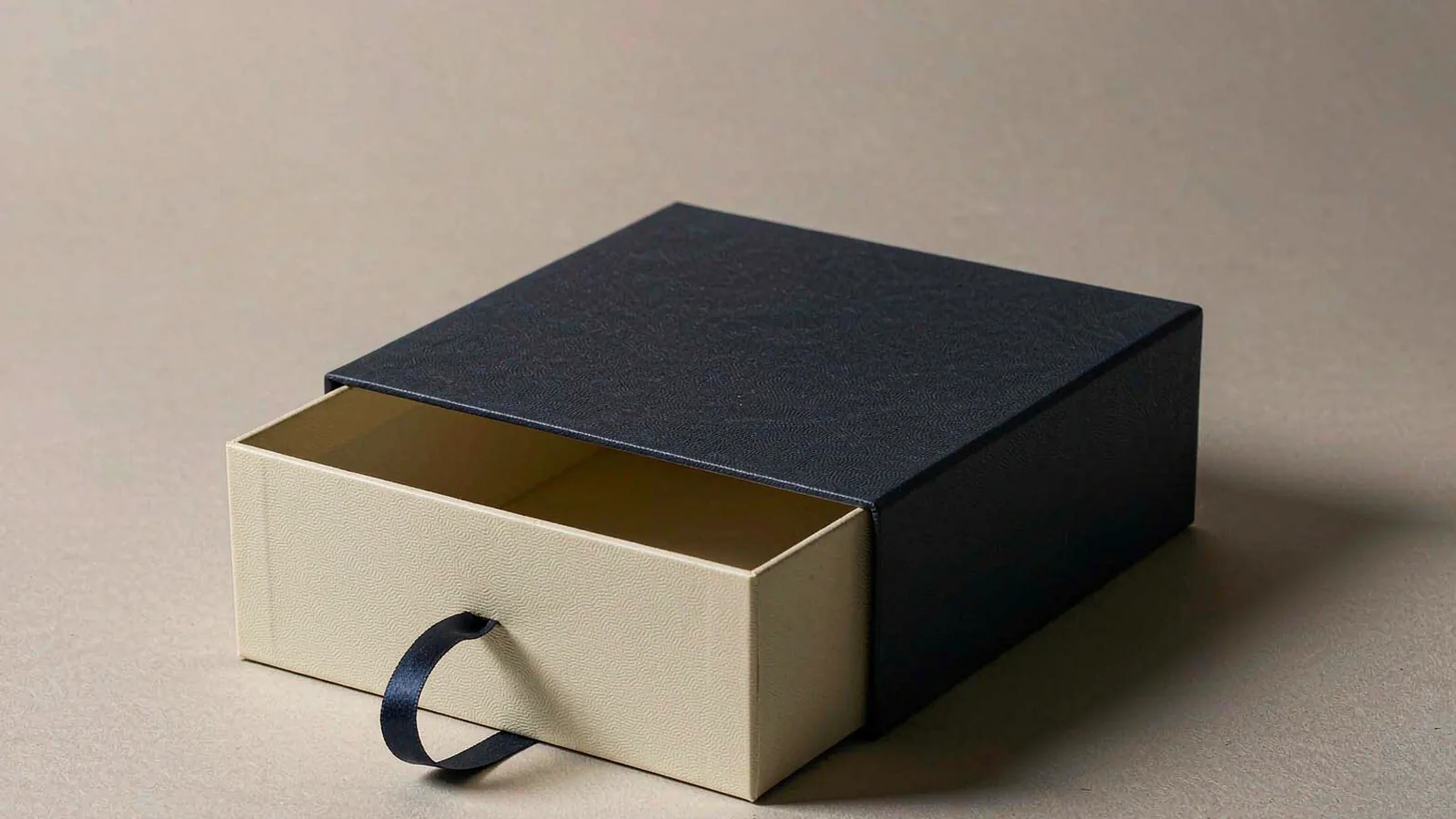
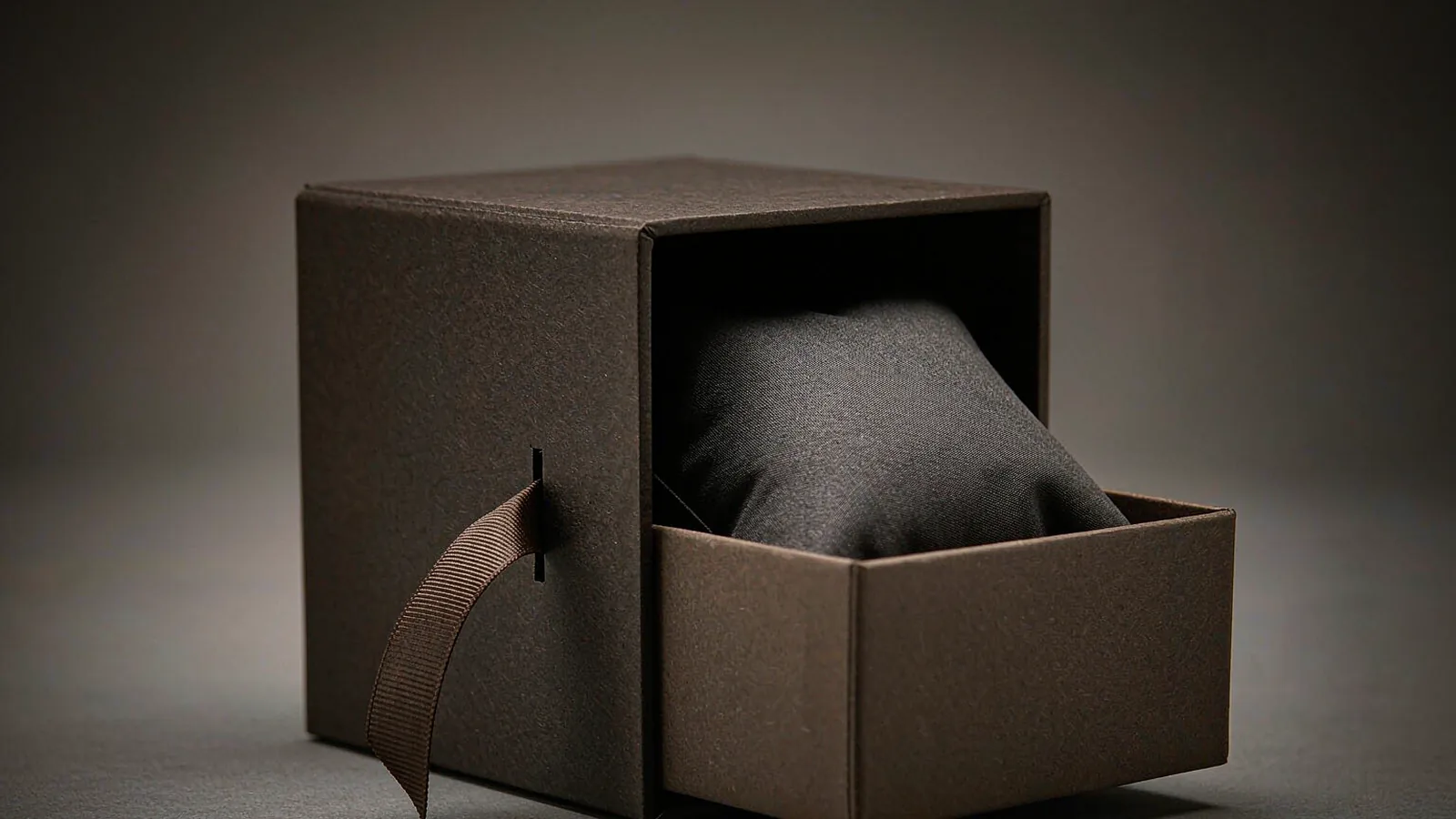
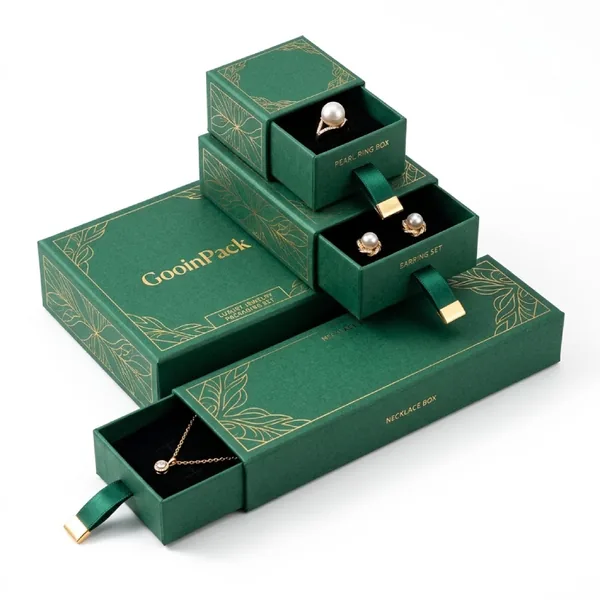
A sleeve and a slipcase are two ways to put a printed face around a rigid core. A sleeve is a four-panel wrap open at both ends; a slipcase is a five-panel case open at one end. In both, the reveal is a slide, and the printed surface is a separate piece from the tray it covers.
That separation is the point. The sleeve can be re-printed or swapped for a variant without re-tooling the tray, and a slipcase gives a book-like object a case that protects the spine. For a set or an edition, it is a cheaper way to get a premium reveal than a fully wrapped magnetic box.
The product is drawn out rather than lifted, which suits a set or an edition.
A slipcase protects a spine and reads as a book, not a box.
One tray, several printed sleeves — a cheaper way to run variants.
The sleeve carries the brand while the tray stays plainer board.
A slipcase that protects a spine and presents the edition.
A tray inside a printed sleeve, slid open for the reveal.
One tray with seasonal or variant sleeves.
A flat sleeve around a printed set or a folder.
The sleeve tolerance and the tray register decide whether the slide is smooth and the reveal lands square. Both are set on the physical sample.
Too loose and the sleeve wobbles; too tight and it tears at the corner. The fit is set on the sample with the tray loaded, not estimated from the artwork.
Customise this boxA five-panel case covers the spine as well as the faces, which is what makes it a book case rather than a sleeve. The board grade and the wrap are set for the weight of the object.
Customise this boxThe sleeve or case is printed and wrapped separately from the tray, so a variant only re-prints the sleeve. That is where the cost saving over a fully wrapped box comes from.
Customise this boxA velvet feel on the sleeve face.
A title or crest on the sleeve or spine.
Tactile branding on the sleeve.
Selective gloss to lift one element.
| Board | Greyboard 1.5 – 2.5 mm caliper, matched to the loaded weight |
|---|---|
| Closure | A printed sleeve over a tray that slides out of one open end |
| Interior | The die-cut tray carries the product and slides out with it |
| Tolerance | Die-cut panels to ISO 2768-1 class m: ±0.2 mm up to 30 mm, ±0.3 mm up to 120 mm. An assembled box carries a wider allowance, because the wrap is applied by hand. |
| Assembled size | Finished outer dimensions ±0.8 mm, measured across the lid once the wrap has settled |
| Smallest box | L 80 × W 50 × H 15 mm formed. |
| Print sheet | Sheet-fed offset up to 1,100 × 1,600 mm; flexo up to 1,397 × 2,413 mm |
Specifications are confirmed on your written quotation. Anything not written into the specification is not part of the order.
Board thickness is specified to ISO 534, the standard method for the thickness, density and specific volume of paper and board, so a millimetre in a specification means the same thing to both sides.
The board, print method and finish named above are explained in the packaging options reference — what each option does, which materials it works on, and where it stops working.
All of it is made in our two plants in Nanhai, Foshan, and Panyu, Guangzhou: Metapackink is the manufacturer rather than a broker, so the board is cut, the wrap printed and the box assembled on our own floors, where the sample comes from.
Everything else — minimum order, lead times, Incoterms, shipping — is the same whichever box you buy, and is set out under the table.
| OEM / ODM | We offer complete OEM and ODM for sleeves and slipcases. ODM means fitting an existing sleeve or case to your tray; OEM means specifying the tray, sleeve and pull from the items. |
|---|---|
| Checked on the sample | A sleeve or slipcase sample is approved with the tray loaded and slid, because a sleeve that is a fraction tight tears at the corner before it reaches the customer. |
| Warranty | Sleeves and slipcases are warranted against the approved sample for slide tolerance, corner strength and print registration on the sleeve. |
Minimum order quantities are generally based on box size, structure and specifications. Standard custom orders typically start at 500 pieces per size and specification. Available stock sizes, simpler structures and repeat orders may allow lower quantities; special materials, complex structures and custom inserts may require higher minimums. Your written quotation confirms the minimum for your specification. Samples take 4 – 6 working days from approved artwork. Sample lead time is a separate stage from production; courier time is additional. Production takes 10 working days from the later of receipt of the cleared deposit or written sample approval. Transit time is additional. Shipping terms: EXW, FOB, CIF or DDP, sea, air or courier. Sequence and inspection: process · quality control.
A sleeve is a four-panel wrap open at both ends; a slipcase is a five-panel case open at one end, covering the spine.
By sliding the tray out rather than lifting a lid. The printed face is a separate piece from the tray.
Yes. The sleeve is printed separately from the tray, so a variant only re-prints the sleeve.
Yes. The fifth panel covers the spine, which is what makes it a book case rather than a sleeve.
Not by default. A sleeve or slipcase closes by friction unless a magnetic catch is specified.
Shape, insert and industry change what sleeve and slipcase boxes can do without changing the structure underneath. Board and finishing are shared across the factory.
Finishing and board options are shared across the factory — how each is applied is on the manufacturing process page, and the structures they can be built into are on packaging solutions.
Commonly bought for Gift and presentation Premium consumer products